How it works
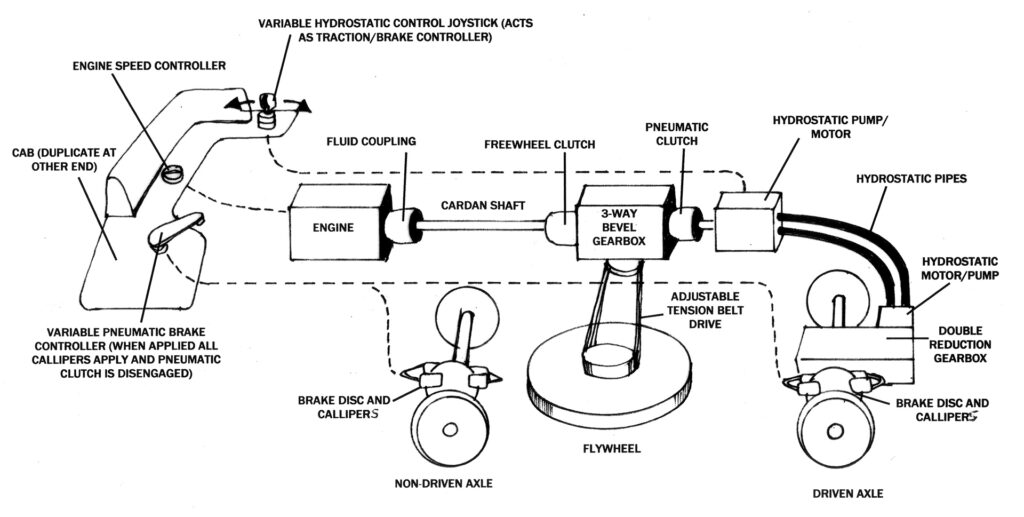
In short: The Stourbridge Shuttle uses a hybrid system where a flywheel stores and releases energy while a small LPG (liquid petroleum gas) engine keeps the flywheel spinning. This makes the railcar lightweight, efficient, and ideal for its short 0.8‑mile branch line.
🚆 How the Stourbridge Shuttle Works
• Vehicle type: The Shuttle is a Class 139 Parry People Mover, designed specifically for very short branch lines like Stourbridge Town to Stourbridge Junction.
• Power source:
• A small LPG engine provides clean combustion compared to diesel.
• The engine’s main job is to keep a large steel flywheel spinning at high speed.
• Flywheel energy storage:
• The flywheel acts like a giant mechanical battery.
• When the train accelerates, energy from the flywheel is transferred to the wheels via a hydraulic transmission.
• When braking, kinetic energy is fed back into the flywheel, recharging it instead of wasting energy as heat.
• Efficiency: Because the flywheel handles most of the acceleration and braking, the LPG engine only needs to top up the flywheel’s energy. This reduces fuel use and emissions.
• Operation:
• The Shuttle runs every 10 minutes, with a top speed of about 20 mph.
• Two railcars operate on the line, each with a driver’s cab at both ends for quick turnaround.
• The system is extremely reliable, with a 99.6% reliability score on Britain’s rail network.
🔧 Why This System Works Well
• Short, steep branch line: The Stourbridge Town branch is only 0.8 miles (1.3 km) long, with a gradient that challenges conventional heavy trains.
• Lightweight design: The Class 139 is much lighter than standard trains, reducing wear on track and infrastructure.
• Cost-effective: Lower fuel consumption and reduced maintenance make it cheaper to run.
• Environmental benefits: LPG produces fewer emissions than diesel, and the flywheel system recycles braking energy.
🌍 Broader Significance
The Shuttle is the UK’s only operational Very Light Rail (VLR) service, and it’s often cited as a model for future urban and branch line transport. Its success shows how innovative energy storage (flywheels) can make small-scale rail services viable, sustainable, and reliable.
So, in essence: The Stourbridge Shuttle is powered by a flywheel + LPG hybrid system. The flywheel stores and reuses energy, while the LPG engine keeps it topped up, making the train efficient, clean, and perfectly suited to its short, steep route.
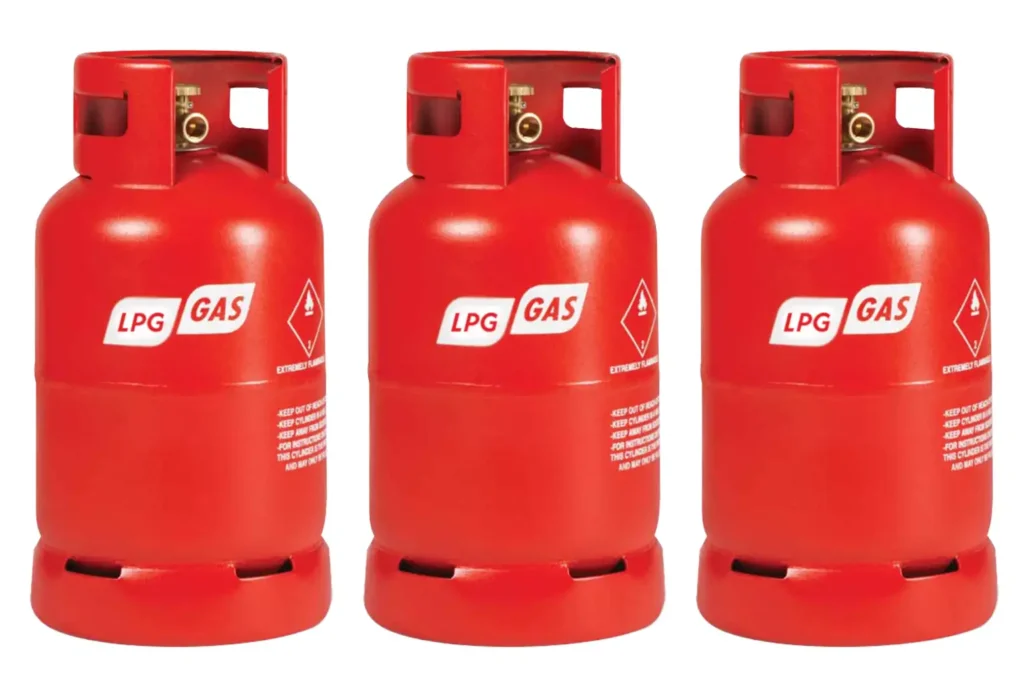
🔸 LPG engine feeds energy into the flywheel
🔵 Flywheel stores and releases energy for acceleration
🚈 Train uses that energy to move
🟢 Braking sends energy back to the flywheel